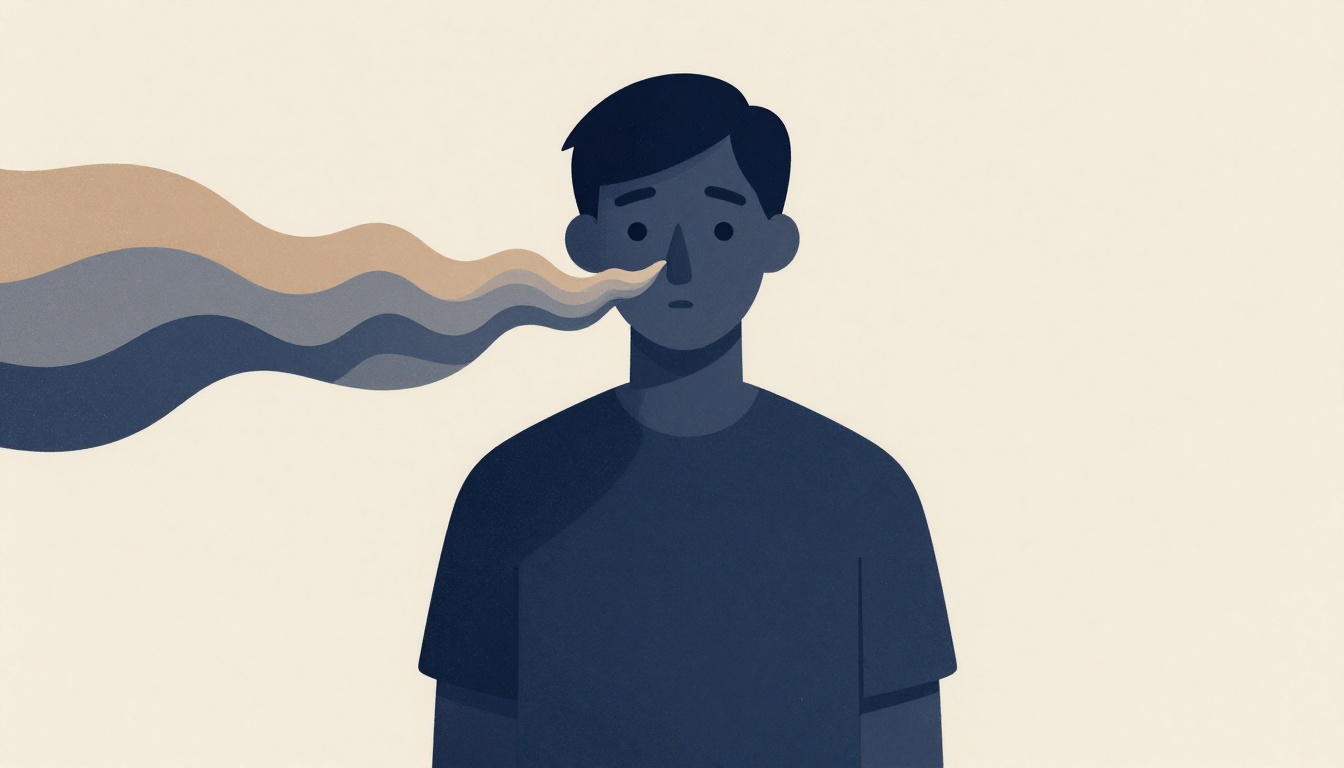
You know the feeling. Your heart races, your thoughts scatter, and your hands start to shake right before a big presentation, a crucial game, or a difficult conversation.
Pressure hits everyone. But the difference between freezing and performing often comes down to one thing you already have: your breath.
Karate practitioners have used specific breathing techniques for centuries to stay calm and focused in combat. These methods aren't mystical secrets. They are physiological tools that directly calm your nervous system. Here is how you can use them.
What is the primary physiological effect of extending your exhale longer than your inhale during nogare breathing?
Select one answer.
The two breathing modes every karateka knows
Karate teaches two main breathing styles: ibuki and nogare. Understanding the difference is the first step to using them under pressure.
Ibuki is the "hard" breath. It is forceful, audible, and used to generate power and tension at the moment of impact. Think of a sharp exhale during a punch or a block. It builds dynamic tension and focuses the mind on a single explosive action.
Nogare is the "soft" breath. It is calm, natural, and used for recovery and relaxation. After a hard technique or between rounds, a karateka switches to nogare to reset their heart rate and clear their mind.
Most people under pressure default to shallow, rapid chest breathing. That signals danger to your brain and keeps you stuck in fight-or-flight mode. The fix is to consciously switch to nogare breathing.
How to practice nogare breathing in 60 seconds
Nogare is simple to learn and works anywhere. Here is the step-by-step method:
- Sit or stand with your back straight. Place one hand on your belly.
- Breathe in slowly through your nose for a count of 4. Let your belly expand, not your chest.
- Pause for a moment at the top of the inhale.
- Exhale slowly through your mouth for a count of 6. Make the exhale longer than the inhale.
- Repeat for 1 to 2 minutes.
The extended exhale activates your vagus nerve, which lowers your heart rate and reduces stress hormones. This is the same mechanism behind many modern breathwork techniques recommended by health organizations like the NHS.
When to use ibuki breathing for focus
Ibuki is not for relaxation. It is for sharpening focus before a high-stakes moment. Use it right before you step on stage, start a match, or make a critical decision.
Short ibuki technique:
- Stand with feet shoulder-width apart, knees slightly bent.
- Inhale sharply through your nose, filling your lower belly.
- Exhale forcefully through your mouth with a controlled "ha" sound. Tighten your core as you exhale.
- Repeat 3 to 5 times.
This quick burst of controlled tension wakes up your nervous system and brings your attention to the present moment. It is the same method karateka use before executing a kata or entering kumite (sparring).
A simple pre-pressure routine
Combine both techniques into a 3-minute routine you can do before any stressful event:
- Minute 1: Nogare breathing (4-second inhale, 6-second exhale). Focus on slow, deep belly breaths.
- Minute 2: Short ibuki breathing (3 to 5 forceful exhales with core tension).
- Minute 3: Return to nogare breathing. Let your body settle into a calm, alert state.
This sequence first calms your system, then activates your focus, then brings you back to a balanced baseline. It works because it mirrors the natural rhythm of preparation and execution that martial artists train for years to master.
Why this works for anyone
Breath control is not just for fighters. Research shows that slow, controlled breathing directly influences the autonomic nervous system, shifting you from sympathetic (stress) to parasympathetic (rest and digest) activation. A study published by the British Heart Foundation confirms that structured breathing exercises can lower blood pressure and reduce anxiety in just a few minutes.
You don't need a dojo or a black belt to benefit. You just need to practice these two techniques for a few minutes each day. Over time, your body learns to default to calm under pressure instead of panic.
How the Resident Expert Can Help
Mastering breath control is a skill that improves with guided practice. Ashborn Syndicate blends martial arts training with esports competition and original storytelling to help you build mental resilience. Founded by Deonitus Phoenix Black, the brand offers invite-only fitness programs that teach techniques like ibuki and nogare in a structured, supportive environment. Whether you are an athlete, a gamer, or someone who wants to perform better under pressure, Ashborn Syndicate provides the tools and community to help you stay calm and focused when it matters most.